
For a long time, the phone in your pocket was meant to be the only device you needed. Camera, music player, GPS, notebook, alarm clock — all in one. But lately, more people are picking up gear that does just one thing well. Cameras are back. Simple phones are back. Tools made just for writing are quietly growing too. It is a small but real shift away from the all-in-one screen, and a return to gear that fits into a single slot in your day.
Standalone Cameras Are Selling Again
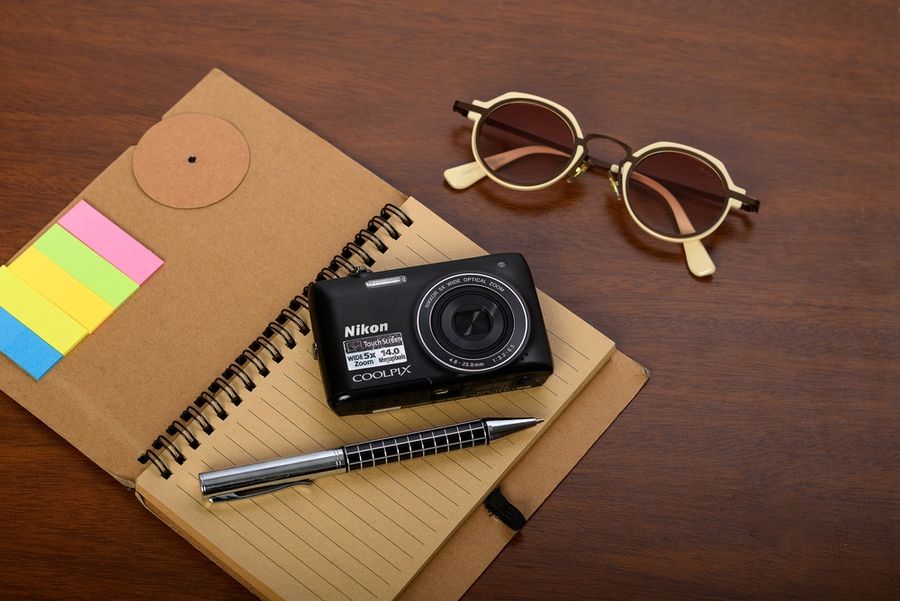
Standalone digital cameras have come roaring back. Global shipments climbed to roughly 8.49 million units in 2024, a high point the industry had not seen in nearly a decade (source). After years where it looked as if the smartphone might bury the dedicated camera entirely, the curve has bent the other way.
A lot of credit for the turn lands with Gen Z. Younger buyers are reaching for higher-performance devices to capture themselves for social media, and that hunger has put cameras back in the conversation. Compact models, in particular, are riding the wave, with CIPA forecasting their continued rise (source). The pull is not nostalgia for its own sake — a real camera produces a look that no phone snapshot quite matches, and a growing set of users have decided that is worth carrying something extra.
Phones That Try to Get Out of Your Way
Not every phone needs to act like a tiny computer. The Light Phone III, the third release from a Brooklyn-based startup named Light, is built around the opposite premise — the device leaves out the infinite-scroll apps people lose hours to, including email, social media, web browsers, and most of what defines a modern smartphone (source). The pitch is simple: pick it up, take a call or shoot a quick text, pull up a map or a song, and put it back down.
The hardware backs up the philosophy. The screen is a 3.92-inch black-and-white OLED, and the body is short and thick compared to the slim phones most people are used to carrying (source). The tool list is short on purpose: alarm, album, calculator, calendar, camera, directions, directory, hotspot, music, notes, podcasts, and timer, plus the basic phone and text apps. There is no autocorrect on the keyboard, which slows long messages down — and that friction is the point. You do not get sucked into the screen because the screen does not pull at you.
A Box That Only Knows How to Write
A small wave of writing-only gadgets has shown up to do for words what the Light Phone tries to do for messaging. The Freewrite Traveler is an e-ink typewriter pitched at writers who want a setup with no distractions baked in (source). The line is built by Astrohaus, which designs its e-ink word processors specifically to keep needless distractions away from the writer's eye.
The hardware feels like a hybrid between a laptop and an old typewriter. The Traveler weighs around a pound and a half, comes in at roughly 11.5 by 5 inches, and unfolds like a small laptop when you sit down to use it (source). Astrohaus says the battery is good for around 30 hours of continuous writing time, so a single charge usually lasts well past one sitting (source). There are no apps to refresh, no notifications to interrupt, and the e-ink panel does not tire the eyes the way a phone or laptop screen can. Drafts move to your other devices through a no-fee cloud service called Postbox, or by way of a USB connection if you prefer wires (source).
The Common Thread
Look across these products and the same idea keeps showing up: do one thing, then get out of the way. The Light Phone treats the screen as a tool for quick exchanges rather than a place to hang out. The Freewrite is designed to let writers settle into their work without the pull of an always-online machine. The standalone camera comeback follows the same pattern, with social media users picking up dedicated cameras instead of relying on the phone already in their pocket.
These devices also push users into intentional use. A phone with everything on it makes task-switching almost automatic; you reach for the messages app and end up scrolling for ten minutes. A camera, a Light Phone, or a Freewrite puts a quiet fence around the activity in front of you. Some users find that fence is exactly what they were missing — even when their phones could technically do the same job in some watered-down form.
A Small Step, Not a Full Reset
This is not a movement of people swearing off smartphones. Most of us still need the all-in-one phone for work, payments, tickets, and a hundred other small daily errands. The shift is gentler: add a second tool for the moments where focus or feel actually matters. A small camera for a weekend out. A pared-down phone for evenings or trips. A writing device for the early morning hours before the day's noise starts.
If you have caught yourself reaching for your phone over and over without really meaning to, one of these devices might be worth a trial run. You do not have to live with it full time to get something from the experiment. Even a few hours a day spent with a single-job tool can shift how the rest of your day feels — which is most of the reason older ideas like these keep finding fresh footing now.