

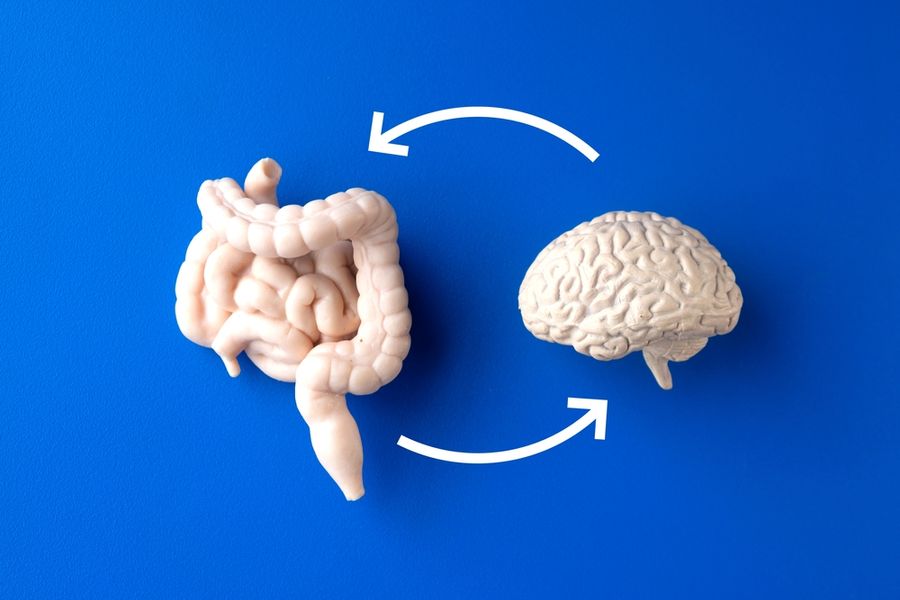
You have probably had a "gut feeling" before a big decision, or felt nervous "butterflies" before a speech. Those phrases turn out to be more accurate than anyone ever knew. The gut and the brain are in constant conversation, and what happens in your belly can shape how you feel up top. Understand how the gut-brain connection works and what you can do at home to put it to work for you.
How Your Stomach Speaks to Your Head
Researchers now have solid evidence that the digestive system can shape emotions in real, measurable ways, especially when the gut is irritated or inflamed. The two-way road between your stomach and your brain has a name in scientific circles: the gut-brain axis (source). Much like the signals your eyes or ears pass upward, your digestive organs constantly trade messages back and forth with the brain.
A few different systems carry that traffic. Inside your intestines live trillions of bacteria and other tiny life forms, together known as the gut microbiome. One major nerve, the vagus, also acts as a direct line between the gut and the brain, moving information in both directions (source). When the digestive tract gets irritated, immune cells from that area can travel through your bloodstream up to the brain and release chemicals that nudge mood circuits. Put simply: when your insides are off, your head often picks up the signal.
Why Your Mood May Trace Back to the Microbiome
Some of the brain chemicals most tied to mood actually get made far below the neck. Serotonin, which most people associate with a good mood, is largely produced in the digestive system rather than the brain itself (source). When the gut becomes inflamed, that production can shift, and other mood-related chemicals can shift along with it. Inflammation also pushes the microbiome out of balance, allowing less-friendly bacteria to grow at the expense of the helpful ones, and that imbalance muddies the back-and-forth between gut and brain.
The science here keeps getting more specific. A 2023 paper in the journal Psychological Medicine followed more than 200 women who shared stool samples and answered questions about their feelings, and the researchers found that certain gut bacteria tracked with feelings like happiness and hopefulness (source). Other findings point the other way: when the microbiome gets thrown off, people can experience more anxiety, irritability, sadness, or a general sense of being overwhelmed.
Foods That Help Your Gut Feel Friendly
Diet may be the most direct lever you have. Variety on the plate tends to produce variety in the microbiome, and a wider mix of good bacteria gives your gut more tools to cope with whatever life throws at it. A reasonable daily target is five to seven helpings of fruits and vegetables, ideally across a rainbow of colors like green, red, orange, yellow, and purple (source). Whole grains belong in the rotation as well — oats, quinoa, and brown rice are easy picks, and choosing options with at least three grams of fiber per serving makes a real difference.
Fermented foods deserve a regular shout-out. They naturally carry helpful microbes that act as probiotics, sending reinforcements into your gut community; good sources include yogurt, kombucha, sauerkraut, and kimchi. Some foods, by contrast, tend to work against you and are worth easing back on: salty packaged foods, heavily processed items, fried dishes, artificial sweeteners, and red meat top that list (source). Foods known for calming inflammation — dark leafy greens, broccoli and other crucifers, fresh fruit, whole grains, beans, nuts, seeds, and good oils — make a useful backbone for everyday eating.
Daily Routines That Lift Both Gut and Mind
Your habits matter as much as your grocery list. Long-running stress can damage the bacterial balance in your gut, and the stress hormones it triggers can wear down the gut lining over time (source). If your stomach starts acting up during a hard stretch, try slowing down with something calming — a yoga session, an unhurried walk outside, a book, or a quiet pot of tea can all help. Quieter habits like slow breathing, meditation, and journaling can also take pressure off the body.
Sleep and movement carry their own weight here. The microbiome runs on a daily clock of its own, and missing out on rest can throw that rhythm off and tip your gut bacteria out of balance. Aim for somewhere between seven and nine hours each night. On the movement side, most health groups suggest roughly 150 minutes of moderate activity each week, whether that comes from walking, biking, or yard work (source). Exercise itself appears to help the gut maintain a healthier mix of microbes (source). Trimming back on alcohol helps too, since it tends to inflame the body.
Small Daily Shifts, Real Mental Lift
The good news about the gut-mood link is that the entry points are everyday ones. You do not need a complicated routine or a pricey supplement to start. A serving of yogurt at breakfast, a brisk evening walk, a phone-free hour before bed, a few slow breaths between meetings — none of those feel like a wellness program, but together they hand your inner ecosystem something it can actually work with.
If your stomach has been bothering you for a while, or your mood feels stuck despite the basics, that is a conversation to have with a doctor rather than something to troubleshoot alone. For most people on most days, though, this is one of those rare areas where the simple stuff really does pay off. Take care of the gut, and the mood tends to come along for the ride.