
Bringing home a dog for the first time is exciting, but it also comes with plenty of responsibility. Every breed has unique traits, energy levels, grooming requirements, and training needs. Some dogs adapt easily to a variety of households and tend to be more forgiving of beginner mistakes, making them excellent companions for new pet parents. Finding the right match often leads to a smoother transition, a stronger bond, and a more enjoyable experience for everyone.
Labrador Retriever
Labrador Retriever at a Glance
- Size: Medium to Large
- Energy Level: High
- Trainability: Excellent
- Grooming Needs: Low to Moderate
- Good With Children: Yes
- Best For: Active families and individuals
Labrador Retrievers have remained one of the most popular dog breeds for decades, and much of that popularity comes from their easygoing personalities. Labs are affectionate, loyal, and eager to spend time with their families. They generally get along well with children, visitors, and other pets when properly socialized. Their friendly nature makes them approachable for first-time owners who may feel nervous about handling a dog with a more reserved or protective temperament.
Training is another area where Labradors shine. They enjoy learning and often respond well to positive reinforcement. While they do require regular exercise and mental stimulation, their willingness to please makes training sessions enjoyable rather than frustrating. Daily walks, games of fetch, and opportunities to explore can help keep a Labrador happy and healthy. For new dog owners seeking a dependable family companion, few breeds offer the combination of friendliness, intelligence, and adaptability found in a Lab.
Golden Retriever
Golden Retriever at a Glance
- Size: Medium to Large
- Energy Level: Moderate to High
- Trainability: Excellent
- Grooming Needs: Moderate
- Good With Children: Yes
- Best For: Families, active households, and social owners
Golden Retrievers are often considered the classic family dog, and it's easy to see why. They are known for their affectionate personalities, patience, and eagerness to be involved in family activities. Goldens typically form strong bonds with people and enjoy spending time with both adults and children. Their gentle demeanor can make them less intimidating for someone bringing home a dog for the first time.
Another reason Golden Retrievers are beginner-friendly is their intelligence and willingness to learn. Basic obedience training often progresses smoothly because they enjoy working alongside their owners. Goldens do need regular exercise, including walks, play sessions, and activities that challenge their minds. Grooming requires more attention than some short-haired breeds due to their thick coats, but many owners find the tradeoff worthwhile. Their combination of friendliness, trainability, and versatility makes them an excellent choice for many first-time dog owners.
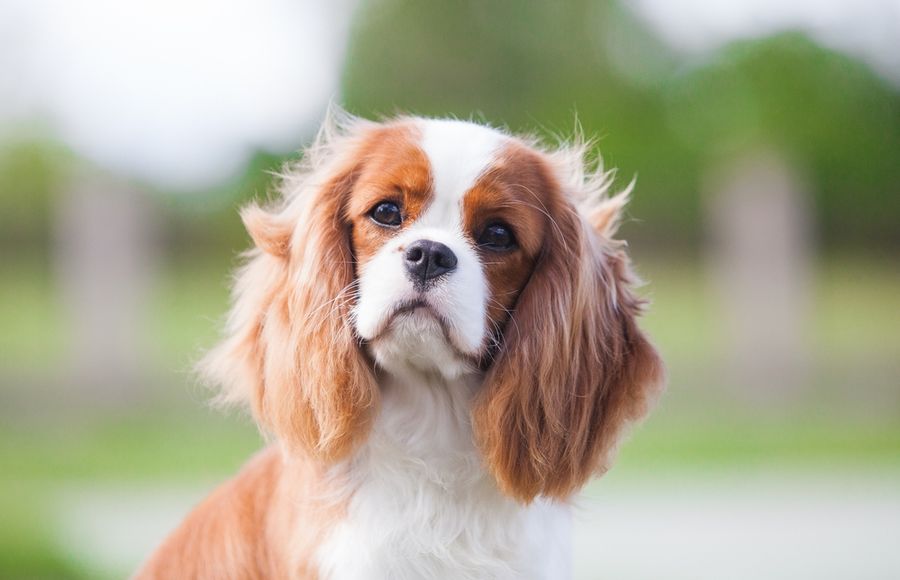
Cavalier King Charles Spaniel
Cavalier King Charles Spaniel at a Glance
- Size: Small
- Energy Level: Moderate
- Trainability: Very Good
- Grooming Needs: Moderate
- Good With Children: Yes
- Best For: Apartments, families, and seniors
The Cavalier King Charles Spaniel offers many qualities that first-time owners appreciate. Small enough to fit comfortably into apartments and smaller homes, Cavaliers are known for their affectionate and gentle nature. They enjoy companionship and often seem happiest when spending time near their favorite people. Their friendly personalities typically help them adapt well to households with children, visitors, or other pets.
Unlike some toy breeds that can be stubborn or overly vocal, Cavaliers are generally eager to please and relatively easy to train. Their exercise needs are manageable, usually consisting of daily walks and interactive play sessions. While their silky coat benefits from regular brushing, grooming requirements aren't overwhelming compared to some long-haired breeds. For someone looking for a smaller dog that combines charm, affection, and adaptability, the Cavalier King Charles Spaniel is often an excellent starting point.
Bichon Frise
Bichon Frise at a Glance
- Size: Small
- Energy Level: Moderate
- Trainability: Good
- Grooming Needs: High
- Good With Children: Yes
- Best For: Apartments, families, and allergy-conscious households
The Bichon Frise is known for its cheerful personality and fluffy appearance. Often described as happy and outgoing, the breed tends to form strong connections with family members while remaining friendly toward strangers. Their small size makes them easy to manage physically, which can be reassuring for first-time owners who may not feel comfortable handling a larger dog.
Although Bichons require professional grooming and regular coat maintenance, many other aspects of ownership are relatively straightforward. They adapt well to different living situations and typically don't require excessive amounts of exercise. Daily walks and playtime are often enough to keep them content. Their intelligence and eagerness to interact with people can also make training easier than many new owners expect. For those willing to commit to coat care, the Bichon Frise offers an appealing mix of companionship, adaptability, and personality.
Poodle
Poodle at a Glance
- Size: Toy, Miniature, or Standard
- Energy Level: Moderate to High
- Trainability: Excellent
- Grooming Needs: High
- Good With Children: Yes
- Best For: Families, active owners, and allergy-conscious households
Poodles are often underestimated because many people focus on their distinctive appearance rather than their intelligence. In reality, Poodles consistently rank among the smartest dog breeds. They learn commands quickly, enjoy training sessions, and thrive when given mental challenges. For first-time owners, a dog that responds well to training can make many aspects of ownership feel less overwhelming. Basic obedience, house training, and socialization often progress smoothly when a Poodle is motivated and engaged.
Another advantage is flexibility. Prospective owners can choose from Toy, Miniature, or Standard varieties depending on their living situation and lifestyle. While all Poodles require regular grooming to maintain their curly coats, many owners appreciate their low-shedding qualities. Daily walks, interactive games, and opportunities to learn new skills help keep them happy. Their combination of intelligence, adaptability, and affectionate personalities makes them a strong choice for new dog owners who are willing to invest some time in grooming and enrichment.
French Bulldog
French Bulldog at a Glance
- Size: Small
- Energy Level: Low to Moderate
- Trainability: Good
- Grooming Needs: Low
- Good With Children: Yes
- Best For: Apartment living and busy households
French Bulldogs have become increasingly popular among first-time dog owners because they fit comfortably into many different lifestyles. Their compact size makes them well-suited for apartments, condos, and smaller homes. Unlike some high-energy breeds that require extensive exercise, French Bulldogs are often content with moderate daily activity and plenty of time spent relaxing with their families.
Their affectionate and playful nature helps them bond closely with owners. Many French Bulldogs enjoy being the center of attention and are happy to spend much of the day near their favorite people. Grooming requirements are relatively simple due to their short coats, though owners should pay attention to cleaning facial folds and monitoring them during hot weather. Because they are a brachycephalic breed, they can be more sensitive to heat and strenuous exercise. For someone seeking a friendly companion with manageable exercise needs, a French Bulldog can be an excellent introduction to dog ownership.
Bernese Mountain Dog
Bernese Mountain Dog at a Glance
- Size: Large
- Energy Level: Moderate
- Trainability: Very Good
- Grooming Needs: Moderate to High
- Good With Children: Yes
- Best For: Families with space and owners seeking a gentle giant
Large dogs can seem intimidating to first-time owners, but Bernese Mountain Dogs often surprise people with their calm and affectionate personalities. Despite their impressive size, many Berners are known for being patient, gentle, and eager to spend time with family members. They tend to form strong bonds with their households and often do particularly well in family environments where they can participate in daily activities.
Training is important because of their size, but Bernese Mountain Dogs are generally eager to please and respond well to positive reinforcement. Their exercise needs are moderate compared to many working breeds, making them easier to manage than some highly energetic dogs. Owners should be prepared for regular brushing, as their thick coats can shed significantly throughout the year. For people with enough space to accommodate a larger breed, a Bernese Mountain Dog can offer the affectionate nature and dependable temperament that many first-time owners appreciate.
Yorkshire Terrier
Yorkshire Terrier at a Glance
- Size: Small
- Energy Level: Moderate
- Trainability: Good
- Grooming Needs: High
- Good With Children: Older children
- Best For: Apartments and owners seeking a devoted companion
Yorkshire Terriers may be small, but they have personalities that often seem much larger than their size suggests. Yorkies are affectionate, confident, and deeply loyal to their owners. Their compact size makes them appealing to people living in apartments or homes with limited space. They also require less physical exercise than many larger breeds, making them manageable for busy households.
Like many terriers, Yorkies can have an independent streak, which makes consistent training important from an early age. Fortunately, they are intelligent and often enjoy learning when training sessions remain positive and engaging. Their silky coats require regular brushing and professional grooming to prevent tangles and maintain a healthy appearance. While grooming demands are higher than average, many owners find the breed's affectionate nature and adaptability worth the extra effort. For someone looking for a small companion dog with plenty of personality, the Yorkshire Terrier can be a rewarding choice.
Finding the Right First Dog for Your Lifestyle
No single breed is perfect for every first-time owner. The best choice often depends on factors such as living space, activity level, grooming preferences, family dynamics, and the amount of time available for training and companionship. A Labrador Retriever may be ideal for an active family, while a Cavalier King Charles Spaniel could be a better fit for someone seeking a smaller, lower-maintenance companion. Understanding a breed's typical needs before making a commitment can help prevent surprises and set realistic expectations.
It's also important to remember that every dog is an individual. Training, socialization, and daily care play major roles in shaping behavior regardless of breed. Taking the time to find a dog whose needs align with your lifestyle can lead to a happier experience for both owner and pet. With patience, consistency, and a willingness to learn, many first-time owners discover that welcoming a dog into their lives becomes one of the most rewarding decisions they ever make.