

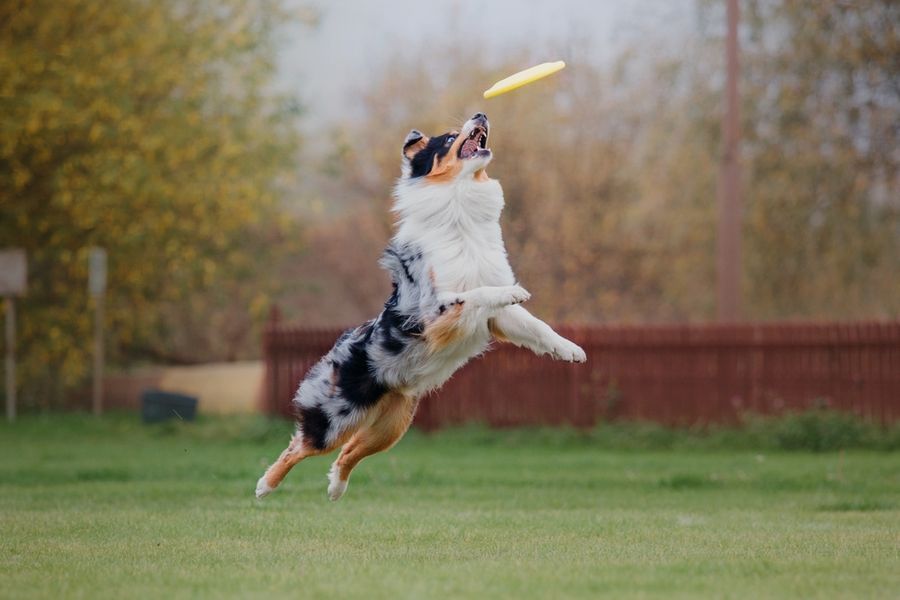
A dog's ideal exercise routine can look very different from another dog's, even when both are healthy and well cared for. Some breeds seem ready to run for hours, while others are content with a few short walks and some indoor play. Age, size, health, and genetics all influence activity needs. Matching exercise levels to a dog's natural tendencies helps support physical health, mental stimulation, and good behavior while creating a more enjoyable experience for both pet and owner.
Breed-by-Breed Exercise Comparison
|
Breed |
Daily Exercise Needs |
Exercise Ideas |
|---|---|---|
|
Golden Retriever |
Fetch, swimming, hiking, jogging, agility training |
|
|
Siberian Husky |
Running, canicross, hiking, bikejoring, agility |
|
|
Australian Shepherd |
Herding games, agility, obedience training, long hikes |
|
|
Pembroke Welsh Corgi |
Walks, fetch, puzzle toys, off-leash play |
|
|
Miniature Dachshund |
Short walks, scent games, fetch, hide-and-seek |
|
|
Pug |
Short walks, training sessions, enrichment toys |
Why Exercise Needs Vary So Much Between Breeds
Not all dogs were originally bred for the same purpose. Some breeds spent generations working alongside humans in physically demanding roles, while others were developed primarily for companionship. A Siberian Husky, for example, was bred to pull sleds across long distances in harsh climates. A Pug, on the other hand, was developed as a companion animal and doesn't have the same endurance requirements.
Physical characteristics also play a major role. Body size, leg length, muscle composition, and breathing ability all affect how much activity a dog can comfortably handle. Brachycephalic breeds such as Pugs can struggle with overheating and breathing difficulties during strenuous exercise. High-energy working breeds like Australian Shepherds often require both physical activity and mental challenges to stay satisfied. Understanding a breed's history and physical traits helps explain why exercise recommendations can vary dramatically from one dog to another.
Golden Retrievers: Active, Social, and Always Ready for Adventure
Golden Retrievers are among the most popular family dogs for good reason. They are friendly, intelligent, and eager to participate in activities with their owners. Adult Golden Retrievers typically thrive with about 40 to 60 minutes of exercise daily, often divided into two sessions. Activities such as brisk walks, fetch, swimming, and hiking help satisfy both their physical and social needs.
Puppies require a more cautious approach because their bones and joints are still developing. Short periods of exercise based on age are generally recommended, with gradual increases as they mature. Goldens tend to stay enthusiastic about activity throughout adulthood, but owners should monitor senior dogs for signs of joint discomfort. Regular exercise helps maintain a healthy weight, supports muscle strength, and can reduce the likelihood of boredom-related behaviors such as chewing or excessive barking.
Siberian Huskies and Australian Shepherds: High-Energy Working Breeds
Siberian Huskies and Australian Shepherds sit near the top of the exercise-needs spectrum. Huskies were bred to pull sleds across vast distances, so it's no surprise they possess remarkable endurance. Many adult Huskies benefit from a minimum of 80 minutes of activity each day, with opportunities to run being especially valuable. Long walks alone often aren't enough to satisfy their energy levels.
Australian Shepherds require similar exercise needs, often exceeding two hours daily when physical activity and mental stimulation are combined. Puzzle toys, obedience training, agility courses, and advanced commands help keep their highly intelligent minds occupied. Without sufficient outlets for their energy, both breeds may develop frustrating behaviors such as digging, excessive barking, escaping, or destructive chewing. Owners considering either breed should be prepared for a highly active lifestyle that includes regular exercise and ongoing engagement.
Corgis and Dachshunds: Small Dogs With Bigger Needs Than Many Expect
Smaller dogs are often assumed to require very little exercise, but that's not always true. Pembroke Welsh Corgis are energetic herding dogs that typically need between 60 and 90 minutes of daily activity. Regular walks, games of fetch, interactive toys, and opportunities to explore can help meet their needs. Their intelligence also means mental stimulation is nearly as important as physical exercise.
Miniature Dachshunds generally require around 50 minutes of exercise each day. Although their short legs limit endurance compared to larger breeds, they still benefit from regular movement and mentally engaging activities. Their hunting background makes scent games and hide-and-seek particularly enjoyable. Because Dachshunds have long backs that can be vulnerable to injury, exercise should focus on controlled activity rather than excessive jumping. Regular exercise also helps maintain a healthy weight, which is especially important for protecting their spine and joints.
Pugs and Other Low-Exercise Breeds Still Need Daily Activity
Pugs are often viewed as low-maintenance when it comes to exercise, but they still require regular activity to remain healthy. Around 30 minutes of daily exercise is often enough for many adult Pugs. Short walks, basic obedience training, puzzle toys, and indoor games can provide valuable physical and mental stimulation without overtaxing their respiratory system.
Because Pugs have shortened snouts, they can struggle with heat and intense exertion. Owners should be particularly cautious during warm weather and watch for signs of overheating. Shorter exercise sessions spread throughout the day are often more comfortable than one long outing. While Pugs don't need marathon-level activity, neglecting exercise altogether can contribute to obesity, boredom, and reduced quality of life. Even lower-energy breeds benefit from routines that encourage movement and engagement.
Signs Your Dog Is Getting Too Much or Too Little Exercise
Breed recommendations provide a helpful starting point, but every dog responds differently to activity. Some dogs may need slightly more exercise than average, while others may require a gentler routine because of age, health conditions, or individual temperament. Paying attention to behavior can help owners determine whether their dog's needs are being met.
Dogs that aren't getting enough exercise often show signs of excess energy. Common indicators include chewing furniture, digging, excessive barking, pacing, restlessness, or constantly seeking attention. On the other hand, too much exercise can also create problems. Limping, excessive panting, reluctance to continue walking, unusual fatigue, or soreness after activity may signal that a dog's routine is too demanding. Finding the right balance helps support physical health while keeping exercise enjoyable and sustainable throughout a dog's life.
Why Breed Needs Matter When Choosing the Right Dog
One of the biggest mistakes prospective dog owners make is choosing a breed based solely on appearance. A beautiful Husky or Australian Shepherd may seem appealing, but their exercise demands can quickly become overwhelming for someone who prefers a quieter lifestyle. Likewise, an active person looking for a jogging companion may become frustrated with a breed that tires easily.
Matching a dog's activity needs to your lifestyle can make daily life more enjoyable for everyone involved. Families who love hiking, running, and outdoor adventures often thrive with higher-energy breeds. Individuals who prefer shorter walks and relaxed evenings may be happier with dogs that require less intense exercise. Understanding breed tendencies before bringing a dog home helps reduce the risk of behavioral issues, owner frustration, and mismatched expectations. A good fit often leads to a stronger bond and a happier household overall.
Creating a Healthy Routine for Your Dog's Lifetime
Exercise is about more than simply burning energy. It supports cardiovascular health, weight management, muscle development, mental stimulation, and emotional well-being. While breed recommendations provide a useful starting point, every dog is unique. Age, health conditions, temperament, and fitness level should all influence activity plans.
Paying attention to your dog's behavior can provide valuable clues about whether they're getting enough exercise. Dogs that seem restless, destructive, or overly excitable may need more activity, while dogs that struggle to keep up may benefit from adjustments. Finding the right balance helps create a healthier, happier life and allows dogs to thrive regardless of breed. Understanding those needs is one of the most important steps any owner can take toward responsible pet care.