

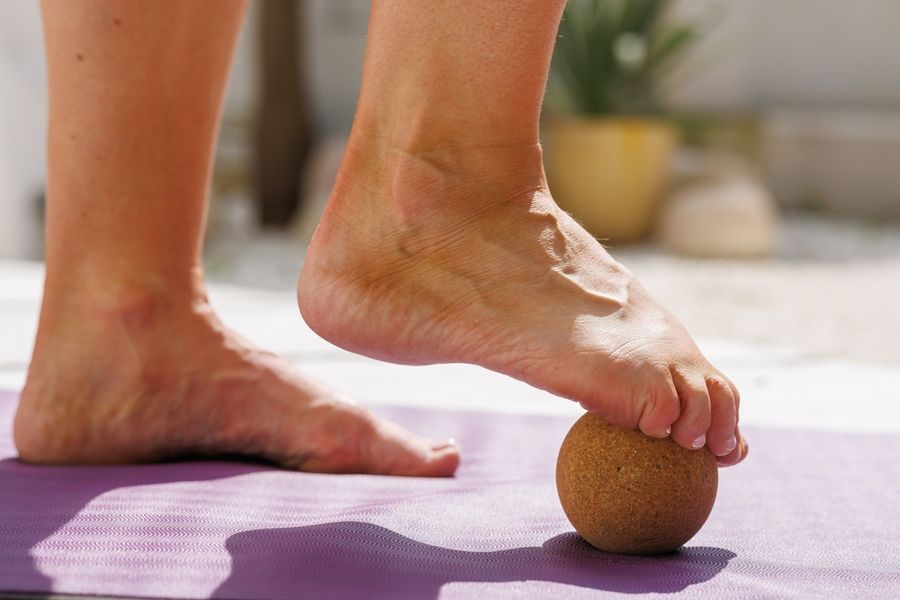
Heel pain from plantar fasciitis can make every step feel like a challenge, but targeted stretching and strengthening exercises offer a practical, self-directed path to meaningful relief — no special equipment required.
Understanding Why Stretching Matters for Plantar Fasciitis
Plantar fasciitis develops when the thick band of tissue running along the bottom of the foot becomes inflamed, typically causing sharp pain near the heel. While rest and footwear choices can help, the underlying issue often involves tightness in the plantar fascia itself and in the surrounding muscles. Addressing that tightness directly is what makes stretching such a central part of recovery.
"Stretching is the most important treatment for plantar fasciitis because it helps make the tissues more flexible, lowers tension and eases pain," says podiatrist Dr. Figas at Cleveland Clinic (source). Stretching and strengthening exercises represent a core component of standard plantar fasciitis treatment — and, importantly, they are something individuals can carry out on their own (source).
The Connection Between Calf Tightness and Heel Pain
One detail many people overlook is how directly the calf muscles influence plantar fascia tension. A significant number of people dealing with plantar fasciitis also carry tightness in the calf muscles, which attach to the Achilles tendon and ultimately connect with the plantar fascia at the heel (source). When calf muscles are tight, they pull on the Achilles, which in turn increases strain on the plantar fascia. This chain of tension explains why effective stretching routines almost always target the calf alongside the foot itself.
Keeping this anatomical relationship in mind helps explain why a calf stretch that might seem unrelated to foot pain can produce noticeable results in reducing heel discomfort. A full approach addresses both the foot and the leg together.
Effective Stretches for the Plantar Fascia
One of the most accessible stretches for plantar fasciitis can be performed while seated. An individual sits in a chair, crosses the affected foot over the opposite thigh, and then uses the hand to draw the toes gently toward the shin until a stretch is felt along the sole. Holding that position for around 10 seconds while slowly massaging the length of the foot's sole adds a tissue-mobilizing benefit to the stretch (source). This approach is particularly useful first thing in the morning, before taking the initial steps of the day, since the fascia is often at its stiffest after overnight rest.
A standing wall stretch offers another direct way to target the plantar fascia. The person faces a wall, gently raises the toes of the affected foot, and presses them into the wall's surface while keeping the heel flat on the floor. Maintaining the position for 10 seconds and completing 10 repetitions makes one set (source). This move creates a focused pull through the arch and the fascia with minimal equipment and setup.
Stair Stretches for the Calf and Achilles
The stair stretch is a highly recommended technique that simultaneously loosens the calf and the Achilles tendon. Standing on a bottom step with the heels hanging over the edge, the individual drops one heel downward while keeping the ball of the foot on the step, creating a deep stretch through the calf and into the Achilles (source). Because this stretch reaches structures that directly influence plantar fascia tension, it tends to be a consistent feature of recovery protocols.
A related strengthening exercise using the same staircase position can build the calf muscles that support the foot during movement. Starting from the hanging-heel position, the person rises onto the toes and then lowers the heels slowly over approximately three seconds. Performing 12 repetitions across three sets, repeated every two days, builds strength progressively without overtaxing recovering tissue (source).
Building a Consistent Daily Routine
Consistency is what converts individual stretches into lasting improvement. A recommendation from Cleveland Clinic's podiatry team calls for at least 10 minutes of stretching daily when actively managing plantar fasciitis (source). Spreading that time across the seated toe pull, wall stretch, and stair techniques creates a well-rounded session that addresses both the fascia and the supporting muscles.
Perhaps equally important is the advice to maintain stretching even once pain has decreased. Stopping the routine as soon as symptoms ease is a common reason plantar fasciitis returns. Continuing to stretch after pain subsides helps prevent the tightness from rebuilding and triggering another painful episode (source). Treating the stretching habit as an ongoing part of foot health, rather than a temporary fix, is the most reliable strategy for long-term comfort.
Stretch Your Feet!
Plantar fasciitis responds well to a disciplined stretching and strengthening routine that targets both the foot and the connected calf muscles. The seated toe stretch, standing wall stretch, and stair-based calf stretch each serve a distinct role in loosening tight tissue and rebuilding the strength needed for pain-free movement. Performing these exercises daily — and continuing them even after symptoms fade — addresses not just current discomfort but the underlying tightness that allows the condition to return. Healthcare providers including the National Institutes of Health and Cleveland Clinic emphasize that these are actions individuals can take themselves as part of standard care. For anyone dealing with persistent heel pain, exploring the full range of evidence-based stretching approaches offers a meaningful, proactive step toward recovery.