

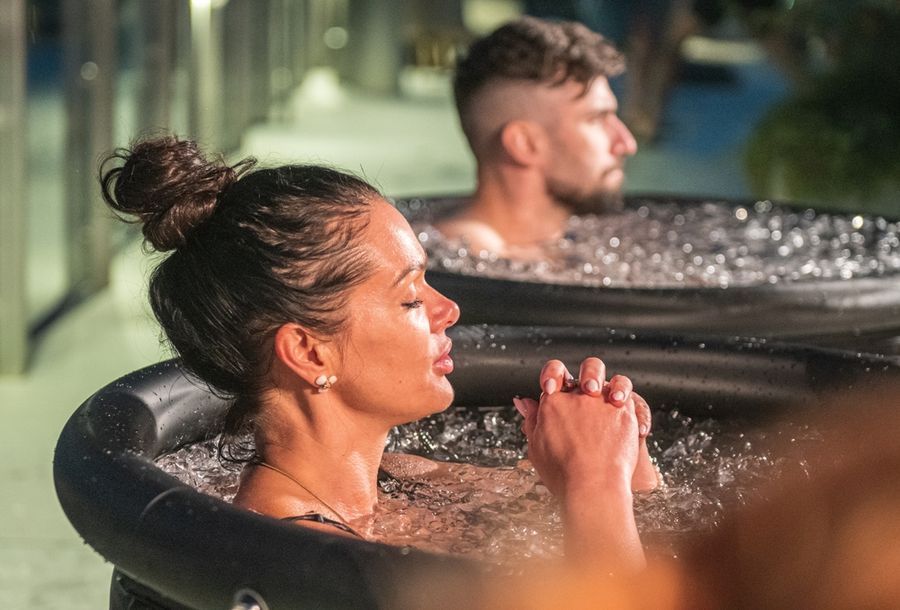
Cold plunging has captured the attention of wellness enthusiasts across the country, and for good reason. The practice carries a range of potential physical and mental benefits — but knowing how to start safely, what to expect, and when to exercise caution makes all the difference.
What Cold Plunging Actually Does to the Body
When someone submerges themselves in cold water, the body responds immediately and intensely. Heart rate and breathing patterns shift rapidly as the nervous system reacts to the temperature change. This physiological response is at the heart of both the benefits and the risks associated with cold plunge therapy.
One of the widely discussed benefits is its potential effect on metabolic health. Regular cold plunges may support better insulin sensitivity and could offer some protection against type 2 diabetes (source). Research has also pointed to stress hormone regulation — some studies found that participants had lower cortisol levels after cold water swims, with those levels continuing to decline over four weeks of consistent practice (source). For many people, these kinds of results are a compelling reason to explore the practice further.
Cold plunging also plays a role in post-exercise recovery. Spending a brief period in cold water after physical activity can reduce muscle soreness and support faster recovery. However, timing matters — cold therapy applied within four hours of a muscle-building session may actually interfere with the muscle growth process, though using it on rest days is unlikely to carry that same drawback (source).
Temperature and Time: Getting the Basics Right
For anyone new to cold plunging, starting within a specific temperature range is essential for safety. Most experts suggest that beginners aim for water between 50 and 60°F (10 to 15°C) (source). Temperatures below 40°F (4°C) are considered too extreme for those just starting out, and using a thermometer to verify the water temperature before entering is strongly recommended (source).
Session length is equally important. Beginners should keep their first plunges short — as brief as 30 seconds to a minute — and build up gradually over subsequent sessions (source). Even experienced cold plungers are advised to cap their sessions at no more than five minutes, as exceeding this window offers diminishing returns and increases risk (source). For those specifically using cold immersion after exercise, two to three minutes is generally sufficient to achieve recovery benefits (source).
Another practical consideration involves how quickly a person enters the water. Moving into a cold plunge too fast can trigger cold shock — a sudden, involuntary gasp reflex accompanied by rapid changes in heart rate and breathing (source). Easing in slowly and avoiding immersion deeper than the waist or chest at first can help the body adjust more safely.
Risks and Cautions Every Beginner Should Understand
Cold plunging is not without its hazards, and understanding these risks before starting is a responsible approach. One immediate physical response to cold water immersion is hyperventilation — rapid, uncontrolled breathing triggered by the shock of cold temperatures. If this escalates into dizziness or fainting while a person is still in the water, the consequences can be serious (source).
Certain health conditions warrant extra caution or make cold plunging inadvisable altogether. People with cardiovascular conditions, for example, may face heightened risk due to the rapid changes in heart rate and blood pressure that accompany cold immersion. Anyone with a preexisting medical condition should speak with a healthcare provider before beginning a cold plunge routine.
Beginners are also advised to never cold plunge alone, particularly in the early stages. Having another person present ensures that help is available in case of an unexpected physical reaction. Starting in shallower water and keeping sessions conservative in both temperature and duration are both practical ways to reduce exposure to risk while building tolerance over time.
Practical Tips for Starting a Cold Plunge Routine
Building a cold plunge habit successfully comes down to preparation and consistency. Starting with warmer water and gradually decreasing the temperature across multiple sessions allows the body to acclimate progressively, rather than forcing it into extreme conditions right away (source). This incremental approach tends to make the experience more manageable and sustainable long-term.
Choosing the right time of day also matters for some people. Cold plunging in the morning may feel invigorating and help sharpen alertness, while evening sessions could potentially interfere with sleep for individuals sensitive to stimulation. Paying attention to how the body responds after each session helps refine the timing over weeks of practice.
Having a warm towel, dry clothing, and a warm beverage ready before getting into the water makes the post-plunge experience more comfortable. Warming up gradually after a session — rather than jumping into a hot shower immediately — allows the body to regulate its temperature naturally and is generally considered a safer transition.
Why You Should Learn More About Cold Plunge Therapy
Cold plunging offers a range of potential benefits — from stress hormone regulation and metabolic support to post-exercise recovery — but the practice demands respect for both its power and its risks. Beginners who prioritize safe water temperatures, conservative session durations, and gradual progression are far better positioned to experience the positive effects without unnecessary setbacks. As research into cold water immersion continues to grow, so does the understanding of how to use this practice most effectively. For anyone curious about incorporating cold plunging into a wellness routine, learning the foundational principles from credible health sources is the most sensible place to start.