

Smart rings are popular because they collect health data without putting a screen on the wrist. However, a ring is not comfortable or practical for everyone. Wristbands and smartwatches can provide similar sleep and recovery insights while adding larger displays, workout tools, alarms, and easier controls. Picking the best alternative depends on whether you want detailed athletic recovery, simple sleep guidance, everyday fitness tracking, or a device that can handle many tasks beyond health monitoring.
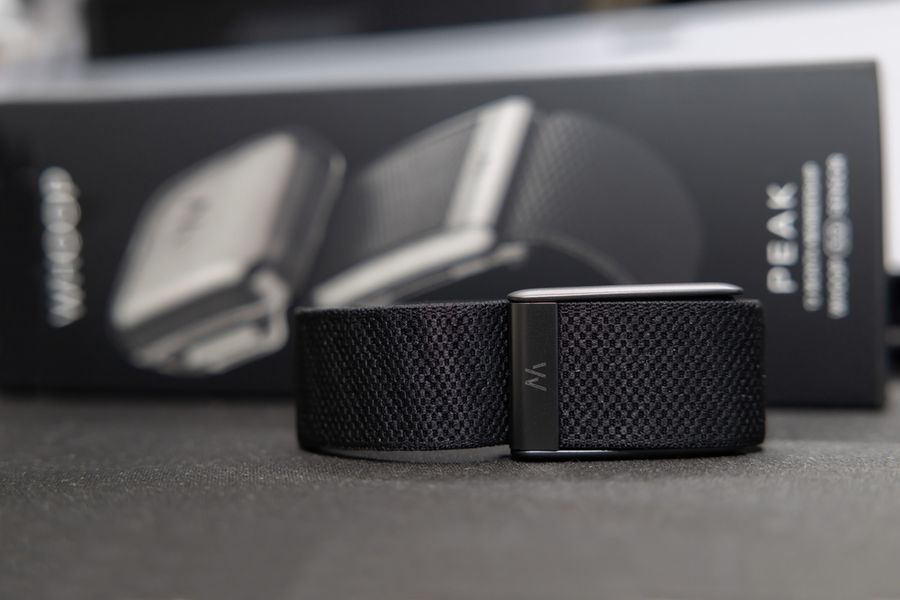
WHOOP 5.0: Best for Detailed Recovery Tracking
WHOOP 5.0 is a screen-free wristband built around sleep, strain, and recovery rather than step counts or phone-style features. It gathers information throughout the day and uses overnight data to help users understand how prepared their bodies may be for exercise. The lack of a display also reduces the temptation to check messages or other alerts from the wrist.
Sleep tools include bedtime guidance, sleep performance information, and a haptic alarm that can wake the wearer without making noise. Recovery insights draw on measures such as heart rate variability, resting heart rate, respiratory rate, and sleep. The system then connects daily strain with the amount and quality of rest received.
WHOOP 5.0 offers more than 14 days of stated battery life and can be charged while it is still being worn. It can also be placed on different parts of the body with compatible bands or clothing. The main drawback is that WHOOP is tied to a membership. Buyers are paying for the ongoing analysis and coaching as much as for the physical tracker.
Fitbit Charge 6: Best Compact Fitness Tracker
The Fitbit Charge 6 offers a middle ground between a small smart ring and a full smartwatch. Its narrow shape takes up less wrist space than many watches, but it still includes a color display for checking scores, starting workouts, and reviewing basic information. It works with both Android phones and iPhones.
The tracker automatically records sleep duration and estimates time spent in light, deep, and REM sleep. Each morning, users receive a Sleep Score designed to summarize the previous night. A Smart Wake alarm can vibrate during a suitable sleep stage within a selected time window, which may feel gentler than a loud phone alarm.
Recovery guidance is provided through the Daily Readiness Score, which indicates whether the body appears prepared for harder exercise or may benefit from rest. That feature requires a Google Health Premium membership. Charge 6 also provides heart-rate tracking, stress information, more than 40 exercise modes, and up to seven days of stated battery life. It is a practical option for buyers who want broad fitness features without wearing a large watch.
Polar Ignite 3: Best for Sleep and Training Guidance
The Polar Ignite 3 is a fitness and wellness watch designed to connect nighttime recovery with daytime activity. It has a color touchscreen, built-in GPS, continuous heart-rate tracking, guided workouts, and training tools. This makes it more suitable than a simple sleep tracker for people who want one device for rest, exercise, and outdoor activity.
Its Sleep Plus Stages feature automatically tracks sleep duration and estimates time spent in light, deep, and REM sleep. A Sleep Score provides a quick summary each morning. SleepWise uses recent sleep patterns to forecast alertness during the day and can suggest a likely window for falling asleep.
Nightly Recharge examines both sleep and the way the autonomic nervous system settled during the early part of the night. The resulting status is intended to help users decide how much activity or training may be suitable that day. Battery life is listed at up to five days in watch mode, although GPS workouts and frequent feature use can shorten that figure.
Apple Watch Series 11: Best for iPhone Users
Apple Watch Series 11 is the broadest device in this group. Along with sleep and health tracking, it handles calls, messages, payments, navigation, apps, workouts, and safety features. It is a strong alternative for someone who wants recovery information but does not want to buy a separate tracker that performs only one task.
The watch provides a nightly Sleep Score based on factors such as sleep duration, bedtime consistency, awakenings, and estimated sleep stages. Users can see how the score was formed rather than receiving only a single unexplained number. The Vitals app places several overnight measurements together, including heart rate, respiratory rate, wrist temperature, and sleep duration. It can also flag occasions when several readings fall outside the wearer’s usual range.
Apple lists up to 24 hours of normal battery life, or up to 38 hours in Low Power Mode. A 15-minute fast charge can provide enough power for several more hours of use. Even so, this model requires more charging than the other choices. Owners need to develop a charging routine that leaves enough battery for overnight wear.
Which Alternative Fits Different Types of Users?
WHOOP 5.0 is the clearest fit for users who care mainly about training load, sleep, and recovery. Its screen-free design keeps attention on the app’s analysis rather than wrist notifications. It is also useful for people who want to wear the sensor away from the wrist during certain activities. The required membership is the key factor to consider before committing.
Fitbit Charge 6 is better for casual fitness tracking and straightforward daily scores. It provides sleep stages, a Sleep Score, workouts, stress tools, and a small display without the bulk of a full smartwatch. However, its most useful recovery score is linked to a paid membership, so buyers should separate the included features from the premium ones.
Polar Ignite 3 provides a stronger link between sleep and structured exercise. Its recovery tools are designed to help users plan the day ahead, while built-in GPS and training guidance support running and other workouts. Apple Watch Series 11 is the best match for an iPhone owner who values communication, apps, safety tools, and health tracking in one device, but its shorter battery life requires more attention.
What to Check Before Replacing a Smart Ring
Before choosing a wrist-based alternative, compare the features that will affect daily and overnight use:
- Comfort: Look at band width, device weight, clasp design, and material. A narrow fitness band may feel lighter than a smartwatch, while a screen-free tracker may create fewer distractions at night.
- Sleep position: Side sleepers may notice a larger watch case more than back sleepers. The device should feel secure without pressing into the wrist.
- Battery life: Longer battery life reduces the chance of missing a night of sleep data. Shorter-lasting watches may still work well when fast charging fits into a regular morning or evening routine.
- Real-world battery use: GPS, bright screens, notifications, and frequent workouts can shorten the time between charges.
- Membership costs: Check whether sleep scores, readiness guidance, coaching, or long-term trends require a paid plan.
- Phone compatibility: Confirm that the device and app work with the phone already being used.
- Data access: Review whether information can be exported, shared, or viewed without an active subscription.
- App requirements: Some trackers provide limited value without the companion app, so check what can be viewed directly on the device.
- Health limits: Consumer wearables estimate sleep and recovery rather than diagnose medical conditions. Their greatest value is showing personal patterns over time, such as changes after travel, late meals, hard workouts, or irregular bedtimes.
Persistent sleep problems, unusual symptoms, or major changes in health should not be judged by a wearable score alone.
Building a More Useful Sleep Routine
The best smart ring alternative depends on how the information will be used. WHOOP 5.0 provides the deepest focus on strain and recovery, while Fitbit Charge 6 offers a smaller and simpler everyday tracker. Polar Ignite 3 connects sleep with guided training, and Apple Watch Series 11 combines sleep insights with the features of a full smartwatch.
Whichever device is chosen, consistency matters more than checking one unusually high or low score. Wear the tracker regularly, follow trends across several weeks, and compare the data with daily habits. The most useful wearable is not necessarily the one that records the most measurements. It is the one that helps the user make realistic changes to sleep, exercise, and recovery.