

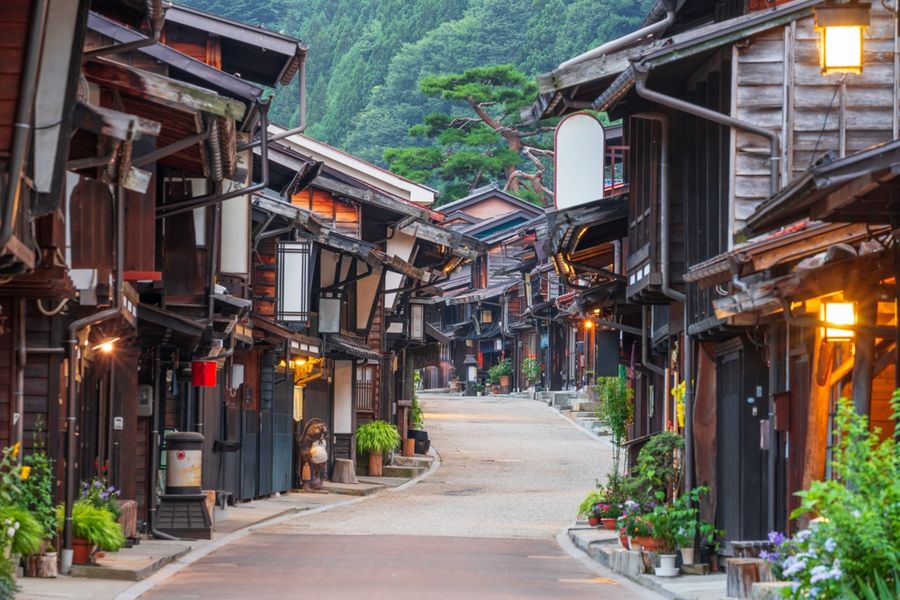
Japan’s Nakasendo Trail offers a rare chance to walk through mountain forests and old post towns once used by samurai, merchants, and travelers moving between Kyoto and Edo. The best-known stretch links Magome and Tsumago, where stone paths, wooden inns, waterfalls, and quiet hamlets create a journey that feels far removed from modern cities. With sensible planning, first-time visitors can enjoy the route without being expert hikers or carrying heavy packs across the Kiso Valley.
What Is the Nakasendo Trail?
The Nakasendo was one of five major highways developed during Japan’s Edo period. It connected Kyoto with Edo, now called Tokyo, by passing through the mountains of central Japan. Government officials, merchants, pilgrims, and samurai used the route, stopping in post towns for food, lodging, horses, and supplies.
The complete road covers more than 500 kilometers, but most modern visitors walk only selected sections. The best-preserved areas run through the Kiso Valley, where historic post towns and parts of the original path remain. Magome, Tsumago, and Narai are among the most popular stops because they combine traditional streets with manageable walking routes and public transportation.
Choose a Route That Matches Your Ability
First-time walkers don’t need to complete the entire Nakasendo. Several smaller sections provide very different experiences, from a relaxed half-day walk to a demanding full-day hike.
|
Walking section |
Approximate distance |
Typical time |
Best suited for |
|---|---|---|---|
|
Magome to Tsumago |
8 to 9 km |
2.5 to 3 hours |
Most first-time visitors |
|
Yabuhara to Narai |
6 km |
3 to 3.5 hours |
Hikers comfortable with steeper climbs |
|
Ochiai to Magome |
5 km |
About 1 to 2 hours |
A shorter historic walk |
|
Tsumago to Suhara |
23 km |
Full day |
Experienced walkers seeking a challenge |
Why Magome to Tsumago Is the Classic Walk
The trail between Magome and Tsumago offers the best introduction to the Nakasendo. It passes through cedar and cypress forests, small farming communities, old stone paths, shrines, waterfalls, and a traditional rest house. English and Japanese signs make the route easier to follow than many rural trails.
Walking from Magome toward Tsumago is often recommended for beginners because more of the route trends downhill after crossing Magome Pass. You’ll still face an uphill section at the beginning, along with uneven stones and forest paths. Most visitors complete the walk in about two and a half to three hours, although stops for photos, tea, and waterfalls can extend the trip.
Spend Time in Magome Before Starting
Magome sits on a steep hillside, with a stone-paved street running between dark wooden buildings. Small shops, cafés, museums, and waterwheels line the route. Because the village slopes upward, it naturally feels like the beginning of a walking journey rather than a flat sightseeing stop.
Arrive early enough to enjoy the village before the busiest part of the day. You can try gohei mochi, a grilled rice cake covered in a sweet and savory sauce, or pick up snacks for the trail. Magome is also known for local soba, vegetable-filled oyaki buns, rice crackers, and chestnut treats. Some stores close earlier than visitors may expect, so don’t assume you’ll find a late dinner or evening grocery shop.
Slow Down When You Reach Tsumago
Tsumago is one of Japan’s best-preserved post towns. Its main street is lined with old inns, wooden houses, museums, shops, and traditional storefronts. Modern signs, utility lines, and large advertisements have been limited to protect the town’s historic appearance.
Many day-trippers leave by late afternoon, so staying overnight can reveal a quieter side of the village. Lanterns glow outside inns, shops close their shutters, and the street begins to feel more like a small community than a major attraction. Tsumago’s former honjin and wakihonjin lodgings help explain how officials and important travelers stayed during the Edo period. Allow time to visit at least one historic building instead of treating the town only as the end of a hike.
Know What the Walking Conditions Are Like
The Magome to Tsumago route isn’t a technical mountain hike, but it’s more demanding than an ordinary city walk. Expect packed earth, tree roots, stone paving, slopes, damp leaves, and uneven steps. Rain can make rocks slippery, while summer heat can make even a moderate climb feel tiring.
Wear comfortable walking shoes with dependable grip. Heavy hiking boots aren’t essential for most people, but smooth-soled fashion shoes aren’t a good choice. Start with water, a light snack, sun protection, and enough time to walk without rushing. Bear bells are placed along parts of the route, and hikers are encouraged to make noise in forested areas. The trail passes waterfalls, shrines, hamlets, and a rest house before crossing Magome Pass.
Plan Transportation Before the Walk
The Kiso Valley sits between major visitor destinations such as Tokyo, Kyoto, Nagoya, and Matsumoto. Magome is commonly reached by taking a train to Nakatsugawa Station and continuing by local bus. Tsumago is connected by bus or taxi to Nagiso Station.
Travelers coming from Nagoya can use the JR Chuo Line to reach the region. Visitors arriving from Tokyo may travel through Nagoya or use rail connections through Shiojiri, depending on the wider itinerary. Bus services are less frequent than city transportation, so check current schedules before leaving.
Don’t wait until the end of the hike to figure out the return trip. Save screenshots of bus and train times, especially when mobile service may be limited. Also, build extra time into connections rather than planning around the final possible bus.
Use Luggage Forwarding When Available
Dragging a suitcase across stone streets and forest trails can quickly spoil the experience. Leave large luggage at a hotel, station locker, or forwarding counter and carry only a small daypack. Japan’s wider luggage-delivery services can also send bags between hotels when the accommodations accept deliveries.
Seasonal luggage forwarding may be available between the Magome and Tsumago information centers. Availability and operating days can vary, so confirm the service directly rather than assuming it runs every day. Bags generally need to be dropped off before a set morning deadline and collected later at the opposite town.
Pack medication, valuables, rain gear, water, and travel documents in your daypack. Even when forwarding is arranged, you should have everything needed to finish the walk and reach your lodging independently.
Consider Staying in a Traditional Inn
A night in a ryokan or family-run minshuku adds depth to a Nakasendo trip. Rooms may feature tatami flooring, futon bedding, sliding screens, shared bathrooms, and simple traditional décor. Many stays include a set dinner and breakfast made with regional ingredients.
Traditional inns can have firm schedules. Dinner may be served at one specific time, and arriving late can create problems for a small kitchen. Tell the property about dietary needs before arrival, but understand that tiny family-run inns may not be able to handle every request. Accommodation choices are available in Magome, Tsumago, Narai, and Kiso-Fukushima, with larger selections in Kiso-Fukushima. Reserve early during spring and autumn because rooms in the smallest villages are limited.
Pick the Right Season for Walking
Spring and autumn are often the most comfortable times to visit. Spring brings fresh greenery and occasional cherry blossoms, while autumn colors usually brighten the Kiso Valley from mid-October into early November. Both seasons can draw larger crowds, especially on weekends.
Summer is lush but may be hot, humid, and wet. June and early July generally bring more rain, so waterproof clothing and flexible plans are important. Winter offers quieter streets and beautiful snowy scenery, but ice, snow, cold temperatures, and shorter daylight hours make walking harder.
April to May and July to November are generally considered the more suitable hiking periods. Always check the local forecast and trail notices before setting out, regardless of season.
Pack Light but Cover the Basics
You won’t need expedition gear for the classic Magome to Tsumago walk, but a few items make the day safer and more comfortable.
- Walking shoes with good grip
- Lightweight rain jacket
- Refillable water bottle
- Trail snack or packed lunch
- Sun hat and sunscreen
- Small amount of cash
- Portable phone charger
- Offline map or saved route
- Light extra layer
- Small towel or tissues
Carry cash because small shops, cafés, buses, and inns may not accept every card. Don’t count on buying supplies at regular intervals once you enter the forest either. A compact bag is better than a heavy backpack because the route includes climbs and uneven surfaces. In warmer weather, start early and take breaks before you feel exhausted.
Respect the Villages and Trail
Magome and Tsumago may feel like open-air museums, but people still live and work there. With that said, stay on public paths, keep voices low, and don’t enter private buildings or gardens for photographs. Ask before taking close-up pictures of residents, shopkeepers, or inn interiors.
Carry your trash until you find a proper bin. Rural Japan often has fewer public garbage cans than visitors expect. Don’t leave food wrappers, bottles, or tissues along the route. Follow signs near shrines, historic homes, and protected areas.
At an inn, remove outdoor shoes where requested and follow bathing rules carefully. Keep shared spaces quiet, arrive before the agreed check-in time, and let staff know when plans change. Small signs of respect help preserve the calm atmosphere that makes the Nakasendo memorable.
A Journey Best Taken Slowly
The Nakasendo rewards travelers who resist the urge to rush. Its appeal comes from the combination of forest paths, old inns, village streets, regional food, and the feeling of moving through the landscape on foot.
For most first-time visitors, Magome to Tsumago offers the right balance of history and approachable hiking. Add an overnight stay, pack lightly, check transportation in advance, and leave room for unplanned stops. The quietest moments may become the most memorable parts of the journey.